How Proper Base Installation Prevents Shifting Paver Walkways
To prevent shifting paver walkways, local contractors focus on proper base installation, ensuring stability and durability for long-lasting, even surfaces.
Proper base installation plays a crucial role in maintaining the stability and longevity of paver walkways. When the foundation beneath pavers is correctly prepared, it helps prevent shifting, uneven surfaces, and costly repairs down the line. Property owners in the area often seek out professional paver installation services to ensure their walkways are built on a solid, well-compacted base, which is essential for withstanding foot traffic, weather conditions, and ground movement. By understanding the importance of a proper base, homeowners can make informed decisions about their outdoor projects and avoid common issues caused by inadequate groundwork.
Local contractors specializing in paver installation are equipped to handle the necessary steps that contribute to a stable and durable walkway. They focus on preparing the right base materials and ensuring proper compaction, which are key factors in preventing shifting over time. If a property owner is considering a new walkway or repairs to an existing one, exploring options with experienced service providers can help achieve a level, long-lasting result. Keep reading to learn more about how proper base installation can protect the investment in outdoor walkways and enhance the overall appearance of a property.
- Paver installation - homeowners planning new walkways might need local contractors to ensure a stable base that prevents shifting over time.
- Driveway paving - when replacing or repairing existing surfaces, service providers focus on proper base preparation to maintain long-term stability.
- Patio construction - for outdoor living spaces, local pros emphasize the importance of a well-compacted base to avoid future movement of pavers.
- Walkway repair - if shifting or uneven pavers are noticed, experienced contractors can assess and improve the base to restore proper alignment.
- Landscape paving projects - during large-scale installations, service providers prioritize base installation techniques that minimize the risk of future shifting.
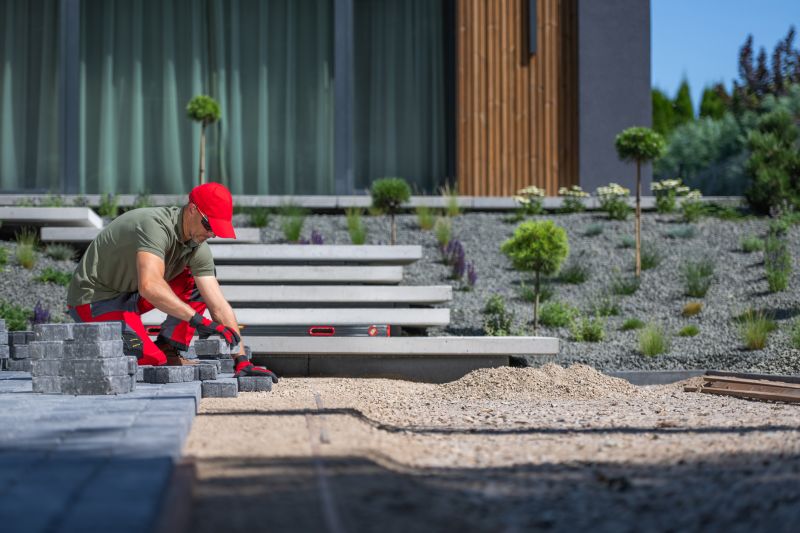
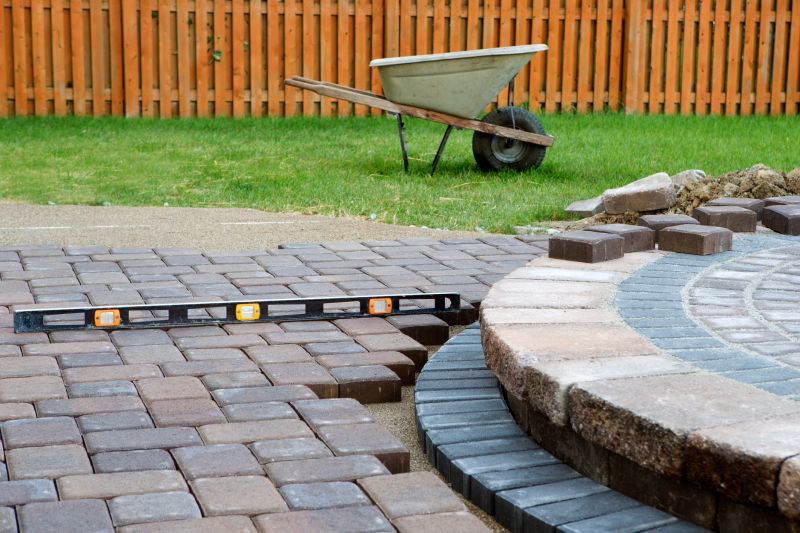
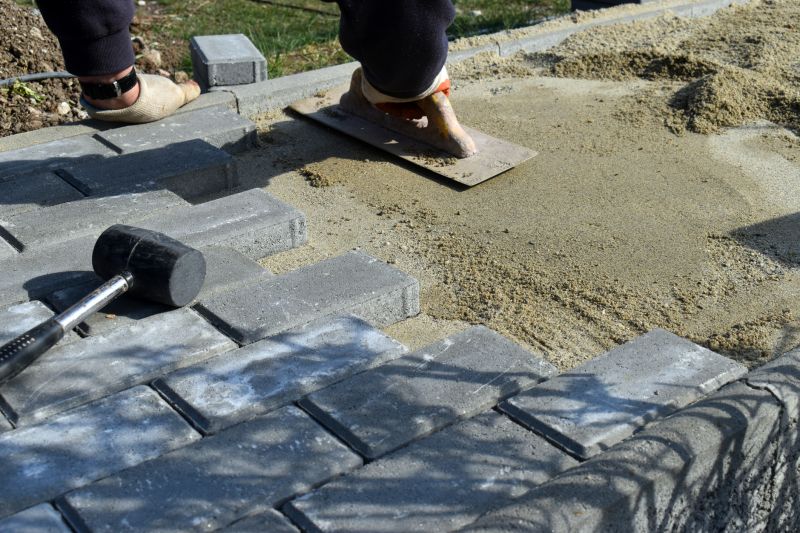
When homeowners search for how proper base installation prevents shifting paver walkways, they are often looking to understand why their newly laid pathways are uneven, cracked, or moving out of place over time. These concerns typically arise after a paver walkway has been installed but begins to show signs of instability. The underlying issue usually relates to the foundation beneath the pavers, as a poorly prepared base can lead to shifting, settling, or uneven surfaces. Property owners may be planning to install new walkways or repair existing ones, and understanding the importance of a solid base can help prevent future problems and ensure long-lasting results.
The problems associated with shifting paver walkways often include uneven surfaces, cracked or broken pavers, and areas that sink or rise over time. These issues can be caused by inadequate base preparation, poor drainage, or materials that don’t provide enough stability. Such problems are common on properties with uneven soil, high moisture levels, or areas prone to frost heave. Homeowners with driveways, patios, or garden paths frequently encounter these issues, especially if previous installations lacked proper base installation. Addressing these concerns early with the help of experienced local contractors can save money and effort by preventing costly repairs down the line.
Properties that typically come up in discussions about proper base installation include residential yards, commercial walkways, and outdoor entertainment areas. These properties often feature paver pathways that see regular foot traffic or light vehicle use, making a stable foundation essential for safety and durability. The terrain can vary widely, from flat lawns to sloped gardens or uneven ground, which influences the type of base needed. Homeowners planning to upgrade or replace existing walkways, or those installing new features, should consider how proper base installation contributes to the longevity and stability of their paver projects. Local service providers are equipped to assess the specific property conditions and recommend the appropriate foundation techniques.
Understanding how proper base installation prevents shifting paver walkways helps homeowners connect the dots between foundation quality and long-term performance. A well-prepared base typically involves compacted gravel or crushed stone, along with proper edging to contain the pavers. This approach creates a stable, well-draining foundation that resists movement caused by soil shifts or moisture changes. When local contractors focus on meticulous base preparation, they help ensure that the pavers stay level and intact for years to come. Homeowners can then enjoy durable walkways that require less maintenance and avoid the inconvenience of uneven surfaces or repairs caused by shifting over time.
Retaining wall construction - this project involves precise planning and foundation work similar to paver base installation to prevent shifting and ensure stability.
Concrete driveway paving - proper base preparation is essential here to prevent cracking and shifting, aligning with best practices for paver walkways.
Patio installation - creating level and durable surfaces requires careful base work, making it comparable to installing a stable paver walkway.
Garden pathway design - installing pathways with proper base layers helps prevent uneven settling and shifting over time.
Outdoor stair construction - ensuring stability and safety depends on proper foundation and base work, similar to paver walkway installation.
Landscape grading and drainage - effective grading supports proper base installation, reducing shifting and movement in paved surfaces.
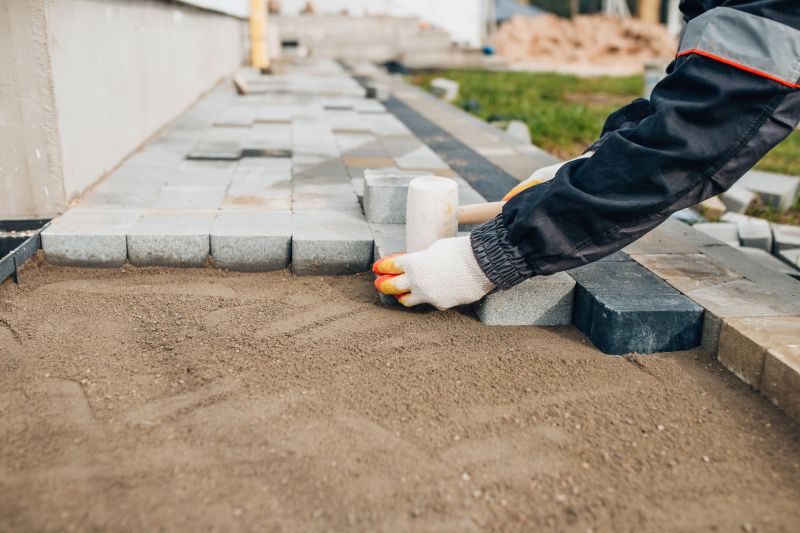
When comparing service providers for paver installation, it is important to consider their experience with similar projects, particularly those involving proper base installation to prevent shifting paver walkways. Homeowners should inquire about the contractor’s background in installing paving systems that require a stable and well-prepared foundation. A contractor with a proven track record of successful projects can demonstrate their understanding of the importance of a properly prepared base, which is essential for ensuring that pavers remain level and resistant to shifting over time.
Clear written expectations are also a key factor when evaluating local contractors. A reputable service provider should be able to communicate the scope of work, including the specific steps they take to ensure a proper base installation. This might involve detailed explanations of soil preparation, base material selection, and compaction techniques. Having these details documented helps homeowners understand what to expect and ensures that the contractor’s approach aligns with the goal of preventing future movement in the walkway.
Reputable references and good communication are essential when choosing a paver installation specialist. Homeowners should seek out service providers who can provide references from previous clients who had similar projects. This feedback can offer insights into the contractor’s ability to deliver quality work, attention to detail, and responsiveness throughout the project. Effective communication ensures that questions about how proper base installation prevents shifting paver walkways are addressed thoroughly, giving homeowners confidence that the contractor understands the importance of a stable foundation for long-lasting results.
Property owners often search for how proper base installation prevents shifting paver walkways when they are planning practical projects around their homes and businesses. Local pros provide Paver Installation services for everyday jobs and straightforward project options.
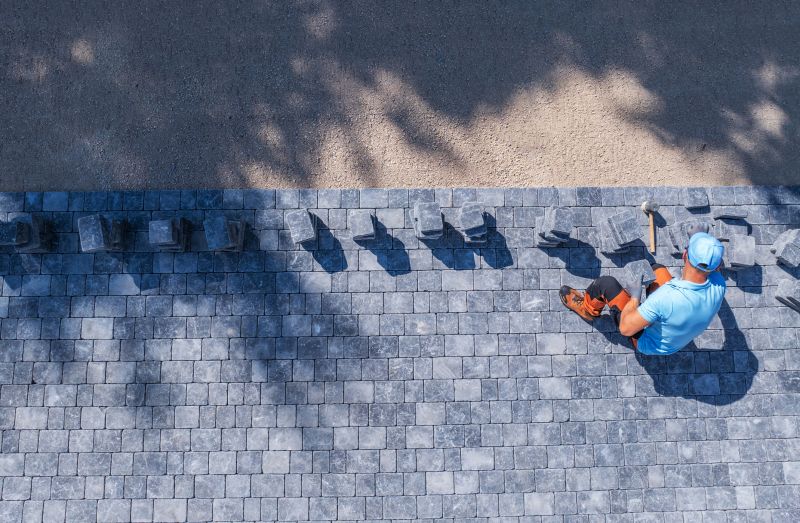
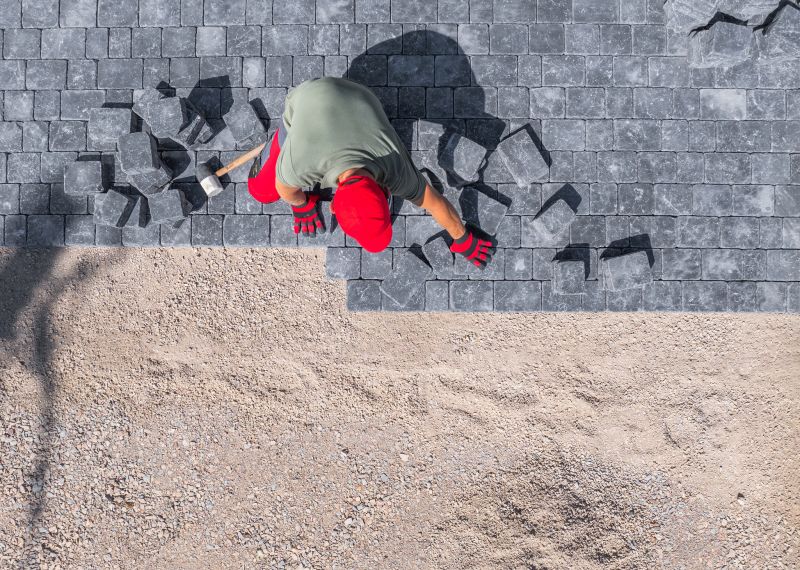
Proper base installation is essential for maintaining the stability of paver walkways and preventing shifting over time. When property owners in the area consider installing new walkways or repairing existing ones, understanding how a solid foundation can make a significant difference is common. Local contractors emphasize that a well-prepared base, typically involving a layer of compacted gravel or sand, helps distribute weight evenly and reduces the risk of uneven settling. This simple yet crucial step ensures that the pavers stay level and intact, even with regular foot traffic or exposure to weather changes.
Many property owners seek paver installation services to avoid the inconvenience and expense of frequent repairs caused by shifting or uneven surfaces. Proper base installation is a key factor that service providers focus on to ensure long-lasting results. By working with experienced local contractors, homeowners can benefit from expert advice on how to create a stable foundation that minimizes movement and maintains the walkway’s appearance and safety. This approach not only enhances curb appeal but also provides peace of mind knowing the pavers are less likely to shift or crack over time.
How does proper base installation prevent paver walkways from shifting? Proper base installation creates a stable foundation that distributes weight evenly and resists movement, reducing the likelihood of shifting over time.
Why is selecting the right base materials important for preventing shifting? Using appropriate base materials like crushed stone or gravel provides proper drainage and compaction, which helps maintain the walkway’s stability and prevents movement.
How do local contractors ensure the base is installed correctly? Experienced service providers carefully prepare and compact the base layer, ensuring a solid, level surface that supports the pavers and prevents shifting.
Can improper base installation lead to other issues besides shifting? Yes, inadequate base installation can cause uneven surfaces, cracking, and water pooling, all of which compromise the walkway’s durability and appearance.
What role does proper base installation play in the longevity of a paver walkway? It provides a durable, stable foundation that minimizes movement and damage, helping the walkway stay level and intact for many years.
Proper base preparation - property owners can discuss with local contractors how to properly prepare the base to ensure stability before paver installation.
Choosing quality materials - selecting appropriate gravel or sand layers with the help of local pros can prevent shifting over time.
Ensuring proper compaction - property owners can work with local contractors to compact the base thoroughly, reducing future movement.
Designing proper drainage - consulting with local pros on drainage solutions helps prevent water accumulation that can undermine the base.
If you are thinking about how proper base installation prevents shifting paver walkways for a property, this guide is meant to help you understand this topic, the typical project types, and how different options might fit your plans.
When you are ready, you can use the quote form on this page to share a few details about your project. From there, local pros can review the basics and follow up with options that match what you have in mind.